The sungazer (Smaug giganteus) is the largest (~8 inches) girdled lizard species in the family Cordylidae and lives in colonies in eastern South Africa, where it digs burrows. It is so named because it tends to bask in the sun at the burrow entrance, lifting the front half of its body up and keeping the head up, as if its gazing at the sun. Compared to the other girdled lizards, its much bigger and unique in being a burrowing species, because the other ones mostly use rock crevices.
The sungazer is a habitat specialist found in an ecosystem called the Highveld grasslands in South Africa. Unfortunately this is a region of rich loamy soils that is great for farming.
It is listed as Vulnerable by the IUCN because its habitat is greatly encroached on by agricultural activity that destroys natural grasslands. Since it already has a pretty small geographic range that's getting smaller, it's at risk.
Sungazers dig a deep burrow that they spend most of their life in. They don't travel very far from the burrow, usually staying active in only about a 2-m radius, which seems incredibly small. They don't seem to disperse very far either, not getting much further than 126 meters. However, they are very long lived and can even make it to be old enough to buy alcohol in the US (21 years).
Sungazers are ambush foragers and eat a lot of insects and arthropods that are close to their burrows.
They reproduce about twice a year but only tend to have a maximum of three eggs laid at a time, which is a low reproductive rate for a reptile. All these traits converge to making them vulnerable to habitat change, especially in the face of climate change, since they can't adapt very quickly.
Because sungazers are so damn cool looking, they are sought after in the pet trade - they're one of the top five reptiles exported out of South Africa. This big lizard is also used in traditional medicine, so the illegal trade overall is really a detriment to the species.
I am generally not in favor of assigning scientific names that refer to popular media (like the genus name Smaug), because I think it lessens the respectability of science and the field. Species are unique units that evolved over millions of years, and some of them have genera or scientific families that evolved before the human genus ever touched the earth, so they aren't here for you to gawk at and say "wOw juSt lIke mY vIdeOgaMes/movies/books". I don't know, something just rubs me the wrong way. Organisms don't exist for you to have fun with.
I think in this case, Smaug exhibits the double-edged sword of that interpretation. On one hand, its clear there is a lot of work being done on the species, with clear conservation statuses being investigated and relevant effects of climate change. Having a "sexy" name, as well as being large and charismatic (not true for all lizards), might help with that attention.
But the pet trade also plays a role in its conservation status. People clearly want this species in their home because it's "cool". And it is really cool, but you know being named Smaug has to be part of it.
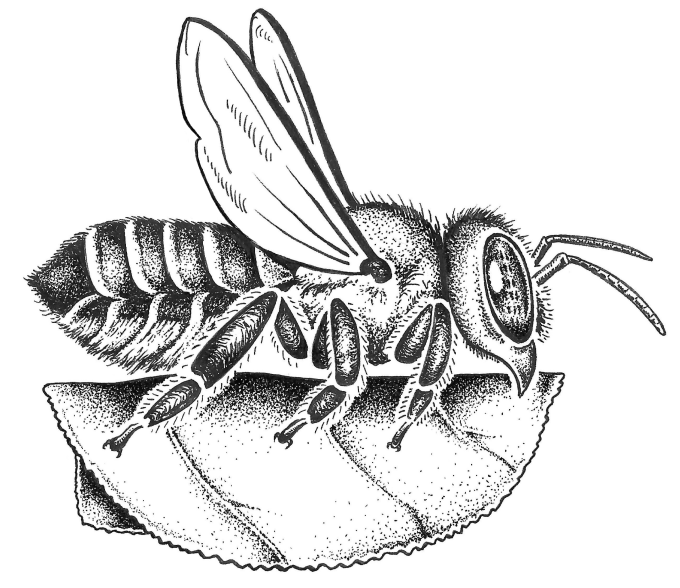
And before you say, "But I love Tolkien and Smaug is a great name to honor a writer with" - consider: there is a bee whose species name is bazinga.
I don't know. This isn't really the most important conversation re: how to conserve a species so maybe it doesn't actually matter that much. Really the focus should be on: how do we prevent the majority of species going extinct in the next decade.
Gotta thermo-regulate:
There's apparently a Sonic the Hedgehog character that is a sungazer? Her name is Trip the Sungazer. She does not look like a sungazer (although none of the sonic critters really look like their animal). Do with this information what you will.
 lucky instar

